Is 100 Mbps Fast Enough for Your Home?
HighSpeedOptions prides itself on providing honest, quality content. While we may be compensated when you make a purchase through links on our site, all opinions are our own. Here's how we make money.
Table of Contents
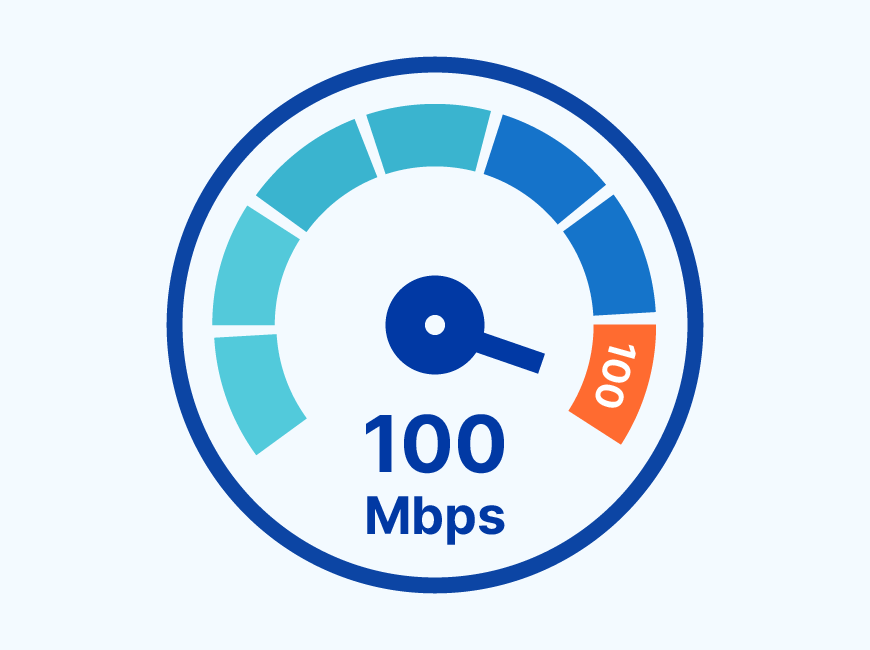
Is 100 Mbps a fast internet speed? For many, this question is the starting point for choosing an internet plan. With so many options available, it’s easy to get confused about what speed you actually need. In simple terms, 100 Mbps (megabits per second) is a solid, reliable speed for most online activities.
This article will help you understand what 100 Mbps can handle. HighSpeedOptions breaks down what this speed means for streaming, gaming, and working from home, so you can decide if it’s the right fit for your household needs.
What Is the Difference Between Download and Upload Speeds?
When you see an internet plan advertised, the speed is measured in Mbps, which stands for megabits per second. This tells you how quickly data can travel to and from your devices. This travel happens in two directions: downloading and uploading.
- Download speed refers to how fast your devices can receive data from the internet. This is what you use for activities like streaming movies, browsing websites, or downloading files.
- Upload speed is how fast your devices can send data to the internet. This is crucial for video calls, uploading large files to the cloud, or live streaming your own content.
For most people, download speed is the more critical number. However, as remote work and content creation become more common, upload speed is increasingly important. A typical 100 Mbps plan might offer an upload speed of around 10 to 20 Mbps, which is sufficient for most video calls and file sharing. But some fiber internet providers advertise symmetric speeds, which is 100 Mbps download speed and 100 Mbps upload speed.
What Can You Actually Do With 100 Mbps Internet?
A 100 Mbps connection is versatile enough to handle the demands of a modern household. Here’s a look at what this speed supports.
Streaming HD and 4K Video
With 100 Mbps, you can stream content on multiple devices without frustrating interruptions. It’s more than enough for streaming in HD on several screens and can comfortably handle 4K streaming on one or two devices at the same time. You can’t go wrong with 100 Mbps internet speed for streaming.
Online Gaming
Is 100 Mbps good for gaming? For online gaming, 100 Mbps internet speed provides a smooth, lag-free experience. While gaming itself doesn’t consume a lot of bandwidth, this speed ensures you have enough capacity to download large game files and updates quickly while others in your home use the internet.
Video Conferencing, Online Learning and Remote Work
This speed is ideal for remote work and online learning. According to our guide on the best internet for remote workers, a 100 Mbps plan easily supports video conferencing on platforms like Zoom and Microsoft Teams, even with multiple users online simultaneously.
Everyday Browsing and Social Media
For daily tasks like browsing the web, checking emails, and scrolling through social media, 100 Mbps is more than sufficient. Web pages will load instantly, and you won’t experience slowdowns, even with many tabs open.
Smart Home Devices and IoT
A 100 Mbps plan can support a smart home filled with connected devices. The average U.S. household owned 17 connected devices in 2023, according to Parks Associates. This speed ensures your smart speakers, thermostats, security cameras, and other IoT gadgets operate smoothly without bogging down your network.
How Many Devices Can 100 Mbps Support at Once?
A 100 Mbps connection can generally support 3 to 5 devices simultaneously engaged in high-bandwidth activities like streaming or gaming. However, the total number of devices you can connect is much higher.
The impact on your network depends on what each device is doing. Activities like 4K streaming and video calls consume significant download and upload bandwidth, while smart home devices and background app updates use very little. For a typical family, 100 Mbps provides a stable experience across laptops, phones, tablets, and smart TVs.
How Does 100 Mbps Compare to Faster Internet Speeds?
While 100 Mbps is a great speed for many, some households may need more. Faster plans, especially fiber internet, often provide symmetrical speeds, meaning your upload speed is as fast as your download speed. This is a game-changer for content creators, serious gamers, or households with multiple people working from home who need to upload large files regularly.
If you find your 100 Mbps connection struggling with frequent video call buffering or slow file uploads, it might be time to consider an upgrade.
Here’s a quick comparison to help you decide.
| Best For (Number of Devices) | Common Activities Supported | Providers Offering Fastest Plans | Starting Price* | |
| 25-50 Mbps | 1-2 Devices | HD streaming, web browsing, email | Xfinity, Spectrum | Around $20-$30/month |
| 100 Mbps | 3-5 Devices | 4K streaming (1-2 devices), online gaming, video calls | AT&T, Verizon Fios, Xfinity | Around $40-$50/month |
| 300-500 Mbps | 5-10 Devices | Multiple 4K streams, large file downloads, heavy gaming | Spectrum, Xfinity, Google Fiber | Around $60-$80/month |
| 1 Gbps (1,000 Mbps) | 10+ Devices | Simultaneous 4K streaming, professional content creation, running many smart home devices | Google Fiber, Verizon Fios, AT&T | Around $70-$100/month |
| 25-50 Mbps | |
| Best For (Number of Devices) | 1-2 Devices |
| Common Activities Supported | HD streaming, web browsing, email |
| Providers Offering Fastest Plans | Xfinity, Spectrum |
| Starting Price* | Around $20-$30/month |
| 100 Mbps | |
| Best For (Number of Devices) | 3-5 Devices |
| Common Activities Supported | 4K streaming (1-2 devices), online gaming, video calls |
| Providers Offering Fastest Plans | AT&T, Verizon Fios, Xfinity |
| Starting Price* | Around $40-$50/month |
| 300-500 Mbps | |
| Best For (Number of Devices) | 5-10 Devices |
| Common Activities Supported | Multiple 4K streams, large file downloads, heavy gaming |
| Providers Offering Fastest Plans | Spectrum, Xfinity, Google Fiber |
| Starting Price* | Around $60-$80/month |
| 1 Gbps (1,000 Mbps) | |
| Best For (Number of Devices) | 10+ Devices |
| Common Activities Supported | Simultaneous 4K streaming, professional content creation, running many smart home devices |
| Providers Offering Fastest Plans | Google Fiber, Verizon Fios, AT&T |
| Starting Price* | Around $70-$100/month |
What Factors Can Affect Your Actual Internet Speed?
The speed advertised by your Internet Service Provider (ISP) isn’t always what you’ll get. Several factors can influence your real-world performance:
- Wi-Fi Quality: Your router’s age, type, and placement can significantly impact your speeds. An older router may not be able to deliver the full 100 Mbps.
- Network Congestion: During peak hours (usually evenings), your internet speed can slow down as more people in your neighborhood go online.
- Connection Type: Different types of internet connections, like fiber, cable, or DSL, deliver different levels of performance and reliability.
- Wired vs. Wireless: An Ethernet connection directly to your router will almost always be faster and more stable than a Wi-Fi connection.
How to Test Your Internet Speed and Improve Performance
Think your internet is underperforming? The first step is to test it.
Run an internet speed test to measure your current download and upload speeds. This will tell you if you’re getting the speed you pay for.
If your results are lower than expected, try these tips:
- Move your router to a central, elevated location in your home.
- Connect your primary devices (like a work computer or gaming console) directly with an Ethernet cable.
- Restart your router and modem regularly.
- Limit the number of devices doing high-bandwidth activities at the same time.
Comparing the Best Internet Options for 100 Mbps Plans
When selecting an internet plan, it’s essential to understand that not all 100 Mbps plans are created equal. Features, prices, and speeds can vary significantly based on the provider and the specifics of their offerings. To find the best plan for your needs, consider factors like upload speeds, data caps, contract terms, and customer service quality. Understanding these elements will help you choose a plan that’s not only cost-effective but also tailored to your household’s online activities.
The table below provides a detailed comparison of 100 Mbps internet plans from various providers, helping you weigh your options:
| Provider | Download/Upload Speeds | Pricing Tiers | Data Limits | Contract Terms | Additional Perks |
| EarthLink | 100 Mbps / 100 Mbps | Starting at $38.95/mo | Unlimited | 1-year agreement | Symmetrical speeds, no throttling, no credit checks, locked-in pricing |
| Spectrum | 100 Mbps / 20 Mbps | Starting at $30.00/mo | Unlimited | No contracts | 1-year price guarantee, Spectrum Mobile included, free modem, free antivirus software |
| CenturyLink | 100 Mbps / 100 Mbps | Starting at $55.00/mo | Unlimited | No annual contracts | 24/7 customer support |
| Cox | 100 Mbps / 3 Mbps | Starting at $30.00/mo | Unlimited | 1-year agreement | No credit checks, deposit or late fees, available for qualified homes only |
| AT&T | 100 Mbps / 100 Mbps | Starting at $60.00/mo | Unlimited | No annual contract | Equipment fee included, bundles available |
| Xfinityƒ | 100 Mbps / 23 Mbps | Starting at $30.00/mo | Unlimited | No annual contract | Bundles available |
| Provider | EarthLink |
| Download/Upload Speeds | 100 Mbps / 100 Mbps |
| Pricing Tiers | Starting at $38.95/mo |
| Data Limits | Unlimited |
| Contract Terms | 1-year agreement |
| Additional Perks | Symmetrical speeds, no throttling, no credit checks, locked-in pricing |
| Provider | Spectrum |
| Download/Upload Speeds | 100 Mbps / 20 Mbps |
| Pricing Tiers | Starting at $30.00/mo |
| Data Limits | Unlimited |
| Contract Terms | No contracts |
| Additional Perks | 1-year price guarantee, Spectrum Mobile included, free modem, free antivirus software |
| Provider | CenturyLink |
| Download/Upload Speeds | 100 Mbps / 100 Mbps |
| Pricing Tiers | Starting at $55.00/mo |
| Data Limits | Unlimited |
| Contract Terms | No annual contracts |
| Additional Perks | 24/7 customer support |
| Provider | Cox |
| Download/Upload Speeds | 100 Mbps / 3 Mbps |
| Pricing Tiers | Starting at $30.00/mo |
| Data Limits | Unlimited |
| Contract Terms | 1-year agreement |
| Additional Perks | No credit checks, deposit or late fees, available for qualified homes only |
| Provider | AT&T |
| Download/Upload Speeds | 100 Mbps / 100 Mbps |
| Pricing Tiers | Starting at $60.00/mo |
| Data Limits | Unlimited |
| Contract Terms | No annual contract |
| Additional Perks | Equipment fee included, bundles available |
| Provider | XfinityÆ |
| Download/Upload Speeds | 100 Mbps / 23 Mbps |
| Pricing Tiers | Starting at $30.00/mo |
| Data Limits | Unlimited |
| Contract Terms | No annual contract |
| Additional Perks | Bundles available |
Is 100 Mbps a Good Value for Your Money?
A 100 Mbps plan often hits the sweet spot between performance and price, making it a great value for most households. According to the FCC, 95% U.S. households and small businesses have access to at least a 100 Mbps download speeds. This speed is widely considered more than sufficient for typical daily use.
When you’re comparing plans, look beyond just the download speed. Consider the upload speed, data caps, contract terms, and provider reliability to ensure you’re getting the best deal.
Is It Time to Upgrade Your Speed or Switch Providers?
If you’re consistently experiencing issues, it might be time for a change.
Signs you may need to upgrade your speed:
- Frequent buffering during video streaming.
- Lag or frozen screens during video calls.
- Slow download times for games or large files.
- Your connection slows to a crawl when multiple people are online.
When to consider switching ISPs:
- You’re hitting data caps and paying overage fees.
- Your provider throttles your speed during peak hours.
- Customer service is unresponsive or unhelpful.
- A faster, more reliable option like fiber becomes available in your area.
Frequently Asked Questions About 100 mbps
100 Mbps stands for 100 megabits per second, which is a measure of internet speed. It means your internet can download 100 megabits of data in one second, which translates to 12.5 megabytes per second. This speed supports common online activities like video streaming, downloading files, and video conferencing efficiently.
100 Mbps internet speed is generally considered a good speed for most households. It allows for smooth browsing, HD video streaming, and moderate download activity. However, whether it is sufficient depends on your specific usage—heavy gamers, large households, or those frequently working on large file transfers may need faster speeds.
Yes, 100 Mbps is good for gaming, especially for casual gamers. With this speed, online gaming sessions can run smoothly with minimal lag, assuming low latency and stable connectivity. However, if multiple users are gaming or streaming simultaneously, you might experience slower performance.
No, 100 Mbps is not slow; it is quite a respectable speed for most internet needs. However, as demand for faster internet increases with advancements like 4K streaming and faster downloads, some may find it moderate if they have higher usage requirements.
Yes, 100 Mbps is good for streaming. It supports HD and even 4K resolution streaming smoothly, provided no other major bandwidth-intensive activities are happening in your network simultaneously. It’s an excellent speed for solo streamers or small households.
Key Takeaways
HighSpeedOptions helps you quickly compare internet providers to find faster, more reliable plans. Here’s what to remember about 100 Mbps internet:
- Sufficient for Most: 100 Mbps is a fast internet speed for most households, supporting streaming, gaming, and remote work.
- Upload vs. Download: Download speed is key for streaming and browsing, while upload speed is crucial for video calls and sharing files.
- Device Limits: A 100 Mbps plan is ideal for small to medium households, supporting 3–5 active devices at once.
- Upgrade Signals: If you experience frequent buffering or lag with many devices connected, it may be time to upgrade your speed.
- Compare Plans: Not all 100 Mbps plans are created equal. Compare upload speeds, data caps, and provider reliability before choosing.
Find providers in your area
Share this post:



Table of Contents