How To Boost Your WiFi Signal
HighSpeedOptions prides itself on providing honest, quality content. While we may be compensated when you make a purchase through links on our site, all opinions are our own. Here's how we make money.
Table of Contents
Nothing ruins a night in faster than a buffering movie or a choppy video call. One second, everything is fine, the next, your Wi-Fi signal drops, and everyone in the house is asking what is wrong with the internet.
The good news is that you may not need a brand-new plan or a visit from a tech to fix weak Wi-Fi. In many cases, you can boost your Wi-Fi signal with a few simple tricks at home.
In this guide, you will learn how to test your connection, boost your Wi-Fi signal throughout your home, and know when it is time to upgrade your equipment or switch internet providers.

Key Takeaways: Quick Ways to Boost Your Wi-Fi Signal
If you only have a few minutes to troubleshoot your Wi-Fi, start here.
- Move your router to a central, elevated location away from thick walls and large appliances.
- Restart your modem and router, update the router firmware, and use a strong password to keep freeloaders off your network.
- Switch to a less congested Wi-Fi channel and use 5 GHz or 6 GHz for nearby devices that need more bandwidth.
- Use Wi-Fi extenders, mesh Wi-Fi, or powerline adapters to fill in dead zones or reach upstairs rooms.
- Run a wired and wireless speed test to determine if the issue is your Wi-Fi signal or your internet plan.
Why Is My WiFi Slow?

Before you learn how to boost your Wi-Fi signal, it helps to understand what is slowing things down.
There are two main pieces to your home internet:
- Your internet connection or plan. This is the service and speed you buy from your internet provider.
- Your Wi-Fi network. This is the signal your router broadcasts inside your home.
Your internet plan might be fine, while your Wi-Fi signal is weak in certain rooms. Or your Wi-Fi might be strong, but the speed coming from your provider is too slow for how you use the internet.
Home networks are also more crowded than ever. Recent research from industry analysts shows that the average household in the U. S. now has about 17 connected devices. Another survey found that about two-thirds of households reported WiFi issues in the last year. Many of those users would consider switching providers because of poor connectivity. When you add in remote work and streaming, it is easy to see why your Wi-Fi struggles sometimes.
Here are some of the most common reasons your Wi-Fi feels slow:
- The router is tucked away in a corner, closet, or basement.
- Your home has thick walls, brick, concrete, or multiple floors that block signals.
- The modem, router, or gateway has outdated firmware.
- The router is old and uses an outdated Wi-Fi standard.
- Too many devices are connected at once, or heavy apps are running in the background.
- Nearby networks and electronics are causing interference.
The next step is to figure out whether the problem is your internet plan or your Wi-Fi signal inside the home.
How to Test Your Connection Before You Tweak Wi-Fi
Run a Wired vs Wireless Speed Test
Start by measuring what your internet can actually deliver.
- Connect a device with Ethernet. Plug a laptop or desktop directly into your modem or router with an Ethernet cable.
- Run a speed test. Use TestMySpeed.com to check you download and upload speeds.
- Compare to your plan. Look at the speed your provider advertises for your plan and see how close your wired test gets.
- Test over Wi-Fi. Now disconnect the cable and run the same test on Wi-Fi in the same room. Then repeat the test in the room where the signal feels weak.
These tests help you identify bottlenecks.
Decide If It Is Your Internet Plan or Your Wi-Fi Signal
Use your internet speed test results as a guide.
If both wired and Wi-Fi speeds are low:
- Your plan or provider may be the issue. There might be network congestion in your area, technical problems at the provider, or your plan isn’t fast enough for how your household uses the internet.
- Contact your internet provider, ask about your recent speeds, and see whether a higher speed tier or a different technology is available.
If wired speeds are fine, but Wi-Fi is slow:
- Your connection from the provider is likely okay. The problem is how the signal moves around your home.
- Focus on router placement, interference, Wi-Fi channels, and coverage fixes like extenders or mesh Wi-Fi.
From here, you can start working through practical ways to boost your Wi-Fi signal at home.
8 Ways to Boost Your WiFi Signal for Faster Speeds
With these eight simple tips, we’ll help you reclaim your high-performing Wi-Fi so you can get the most out of your internet plan.
1. Choose the Best Place for Your Router
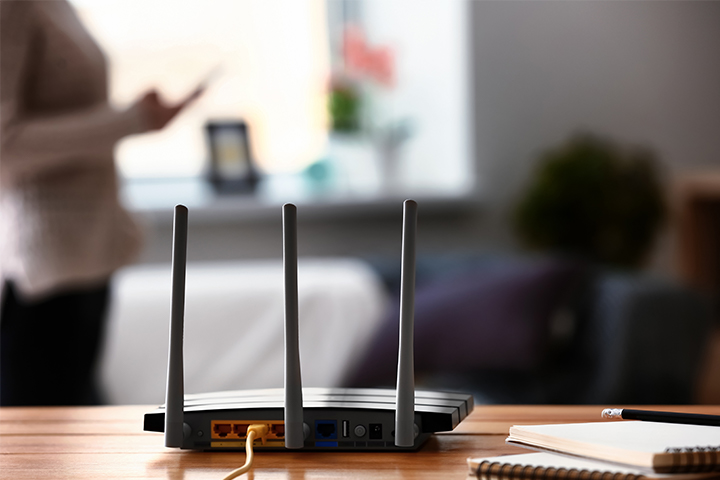
Router placement can make or break your Wi-Fi signal.
Think of your router as a small radio tower. The signal spreads in all directions. If you hide it in a cabinet or push it into a corner on the floor, a lot of the signal gets wasted.
Use these router placement tips to optimize Wi-Fi performance:
- Put the router in a central location that is roughly in the middle of the areas where you use Wi-Fi most.
- Place it on a shelf or table at about chest height or higher. Avoid the floor.
- Keep it away from thick walls, brick or concrete, large metal objects, aquariums, and big appliances like refrigerators.
- In multi-story homes, try placing the router on an upper level so the signal can spread downward.
A small change in router placement can sometimes fix weak Wi-Fi signal issues on its own.
2. Keep Your Router Updated and Your Network Secure
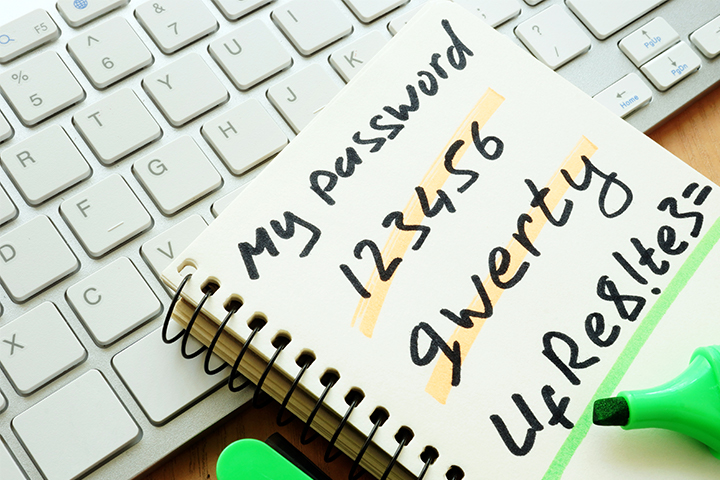
Wi-Fi routers are small computers that run software. When that software is out of date, it can cause performance and security problems.
Take a few minutes to refresh yours.
- Log in to your router’s app or web interface and check for firmware updates. Install any available updates.
- Use WPA2 or WPA3 security on your Wi-Fi network.
- Set a strong Wi-Fi password using a mix of letters, numbers, and symbols.
- Change your password every few months or whenever you think someone else may be using your network without permission.
An unsecured or out-of-date router can get overloaded, infected, or simply bogged down, which leads to slow speeds for everyone.
3. Change Your Wi-Fi Channel and Use the Right Band
Wi-Fi works on specific channels and frequency bands. If your neighbors are all crowding onto the same channels, your signal may have to fight through extra noise.
Most home routers offer at least two bands:
- 2.4 GHz. Better range and wall penetration, but more crowded and often slower.
- 5 GHz. Faster speeds and less interference, but shorter range.
- 6 GHz. Available on Wi-Fi 6E and Wi-Fi 7 routers, with very fast speeds for nearby devices.
Here is how to use them to your advantage:
- Log in to your router’s settings. Look for a menu for channels or advanced Wi-Fi settings.
- On the 2.4 GHz band, try channels like 1, 6, or 11, which are often better choices in crowded neighborhoods.
- Connect devices that sit near the router, such as smart TVs or consoles, to the 5 GHz or 6 GHz band if you have it.
- Use 2.4 GHz for devices that are farther away or on different floors.
Even a simple channel change can help increase Wi-Fi speed in a busy apartment building or neighborhood.
4. Upgrade Your Router to Wi-Fi 6 or Wi-Fi 7
If you are still using the router that came with your internet service years ago, it might be holding you back.
Newer Wi-Fi standards, like Wi-Fi 6 and Wi-Fi 6E, are designed to handle many devices at once and to deliver more consistent performance in busy homes. Wi-Fi 7 is starting to appear on new routers as well, which can provide even more capacity and speed.
Consider an upgrade if:
- Your router is more than 3 to 5 years old.
- You do not see Wi-Fi 5, Wi-Fi 6, or Wi-Fi 7 listed in its settings or on the box.
- You often see dropped connections or big slowdowns when multiple people use the internet.
You can either rent a newer router from your provider or buy one. Renting can be simpler and ensures your equipment stays compatible. Buying can give you more control and sometimes better long-term value.
5. Use Wi-Fi Extenders, Mesh Wi-Fi, or Powerline Adapters
*Disclosure: Some of the links below are affiliate links, meaning, at no additional cost to you, HighSpeedOptions will earn a commission if you click and make a purchase.
If your Wi-Fi signal is strong in some rooms but weak in others, you may need extra hardware, like Wi-Fi extenders or a mesh system, to fill in the gaps.
You have three main options:
Wi-Fi extenders.
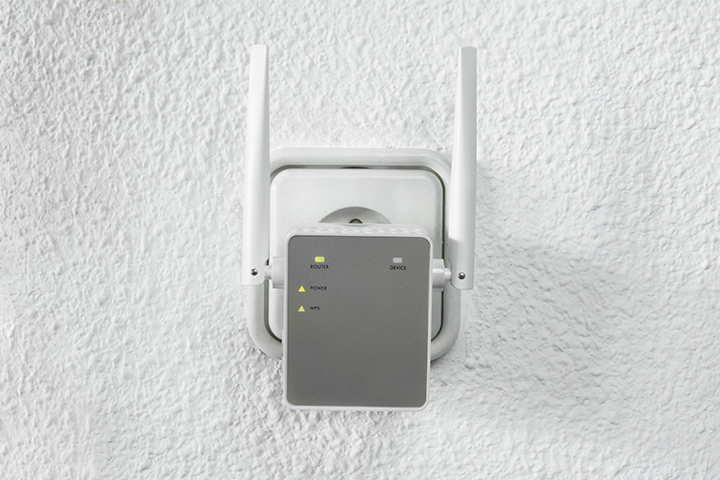
- Plug into a wall outlet and repeat your existing Wi-Fi signal.
- Good for fixing one or two dead zones.
- Often more affordable but can reduce speeds on the extended network and may create a separate network name.
Mesh Wi-Fi systems.
- Use multiple units, called nodes, placed around your home.
- All the nodes work together as one seamless network.
- Ideal for large or multi-story homes where a single router cannot reach every room.
- Usually more expensive, but much more flexible and reliable.
Powerline adapters.
- Use your home’s electrical wiring to carry the internet signal to another room.
- You plug one adapter near the router and another in the room that needs a better connection.
- Helpful in homes where Wi-Fi struggles through thick walls, but the electrical wiring quality can affect performance.
Choose the option that fits your home size and budget. If you have a separate article on Wi-Fi extenders vs mesh Wi-Fi, link to it here so readers can dive deeper.
6. Manage Your Devices and Heavy Bandwidth Apps
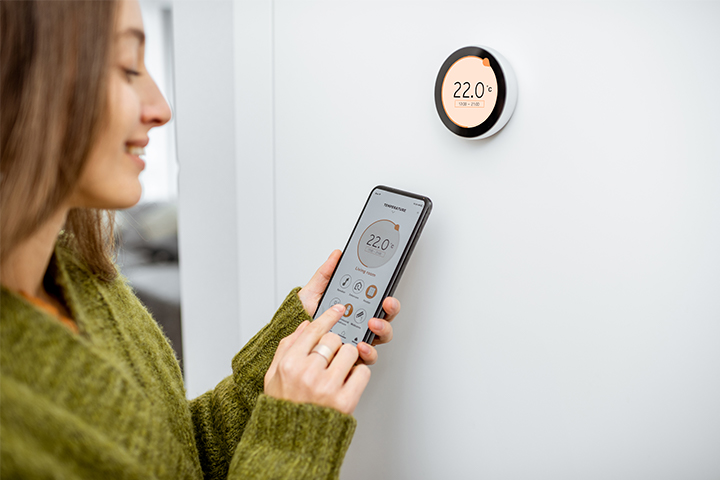
Sometimes the problem is not the signal. It is what everyone is doing on the internet.
A family can easily hit double digits for connected devices. Phones, laptops, smart TVs, speakers, tablets, cameras, and game consoles all share the same connection.
Try these steps:
- Go into your router app or settings and look for a list of connected devices. Disconnect anything you do not recognize or no longer use.
- Turn off or schedule large downloads, cloud backups, and game updates for overnight hours.
- If your router supports Quality of Service (QoS), turn it on and tell it to prioritize video calls, streaming, or online gaming.
- Consider moving smart home and Internet of Things devices, like bulbs and thermostats, onto a guest or secondary network so they do not compete directly with your main devices.
Managing your devices will not fix a bad signal in a far corner of the house, but it can reduce random slowdowns and lag spikes.
7. Use Ethernet for High Bandwidth Devices
Wi-Fi is convenient, but wired connections are still king for speed and stability.
Any device that never really moves is a good candidate for Ethernet:
- Smart TVs
- Gaming consoles
- Desktop computers
- Streaming boxes
By plugging these devices directly into your router or a nearby switch, you take a big load off your wireless network. Your Wi-Fi then has more capacity for phones, laptops, and tablets that need to roam.
Even a single Ethernet cable to your main TV or gaming area can make the whole Wi-Fi network feel smoother.
8. When to Upgrade Your Internet Plan or Switch Providers
At some point, you may discover that you are simply asking too much from a slow plan.
Consider upgrading your plan or switching providers if:
- Your wired and wireless speed tests rarely get close to the speed you pay for, even outside of peak evening hours.
- You regularly stream 4K video, play online games, or work from home on video calls, all on a modest plan.
- You have already improved your router placement, strengthened your Wi-Fi signal, and managed your devices, yet speeds are still a problem.
Start by talking with your current provider. Ask about higher speed tiers and any promotional offers that may apply. If your provider cannot offer what you need, use HighSpeedOptions tools to check availability in your area and see if a different provider or connection type makes more sense.
Get Your Wi-Fi Signal Up to Speed
Weak Wi-Fi signal does not have to be a permanent problem. Once you understand what affects your Wi-Fi, you can often fix slow or spotty connections with a few simple changes at home.
Start with the basics. Test your speeds, move your router to a better location, and keep it away from walls, appliances, and crowded channels. Then secure and update your router so it can do its best work. If you still have dead zones, look at extenders, mesh Wi-Fi, and wired connections to support devices that need the most speed.
If your Wi-Fi signal is solid but your speeds are still not keeping up with your internet lifestyle, it may be time for a faster plan or a new provider. Run a speed test, then use the HighSpeedOptions search tool to compare internet options in your area. A few smart changes today can give you faster, more reliable Wi-Fi for work, play, and everything in between.
FAQs: How to Boost Your Wi-Fi Signal
The easiest place to start is your router.
- Move it to a central, open, elevated location in your home.
- Restart your modem and router and make sure the firmware is up to date.
- Keep the router away from large metal appliances and thick walls whenever possible.
- If certain rooms are still weak, consider a Wi-Fi extender or a mesh node in that area.
Sometimes that alone is enough to fix a weak Wi-Fi signal.
Strong Wi-Fi bars only tell you that your device has a good connection to the router. They do not tell you whether the internet connection itself is fast. You may see strong Wi-Fi but still have slow speeds because your plan isn’t fast enough, the provider’s network is congested at certain times of the day, or there are a few devices running heavy tasks. Run a wired speed test to see what your internet is delivering. If the wired result is slow, the issue is probably your plan or provider, not the wireless signal.
Wi-Fi extenders and a mesh network can both help to boost your home Wi-Fi network. The right choice depends on your home.
- Choose a Wi-Fi extender if you have one or two problem areas and you want a low cost fix.
- Choose mesh Wi-Fi if you have a larger home, multiple floors, or lots of thick walls, and you want more even coverage everywhere.
- Use mesh if you also want the convenience of one network name and better roaming between rooms.
If your site has a detailed comparison of Wi-Fi extenders vs mesh systems, link to it here for readers who want more help deciding.
Walls, floors, and building materials can absorb or block signals. To help your Wi-Fi reach upstairs:
- Move your router closer to the center of your home or near a stairway, if possible.
- Place the router on an upper floor to give the signal a clearer path downward.
- Add a mesh node or extender on the floor that has weak signal.
- Consider powerline adapters if Wi-Fi still has trouble reaching certain rooms.
You can also experiment with using the 2.4 GHz band for devices upstairs, since it usually travels farther than 5 GHz.
In general, plan on replacing your router every 3 to 5 years.
You may want to upgrade sooner if you have an old model, have frequent dropped connections, or if your plan speed has increased but your Wi-Fi performance has not. A new router that supports Wi-Fi 6 or Wi-Fi 6E can often make a noticeable difference in busy homes.
es. Every device that connects to your network has to share the same bandwidth.
Too many devices can cause:
- Slower speeds for everyone, especially during busy times.
- Lag in online games and video calls.
- Occasional drops in connection.
The fix is simple:
- Disconnect or power down devices you are not using.
- Use QoS settings to prioritize important activities.
- Consider upgrading your router to a model that is better at handling many devices at once.
Find providers in your area
Share this post: